Why Your Duplex, Triplex, or Fourplex Isn’t Selling in Los Angeles
Small multifamily properties in Los Angeles follow the same basic rule as single-family homes: the market gives immediate feedback. When a duplex, triplex, or fourplex sits on the market, it is usually because something about the price, condition, income, or risk profile is not aligning with buyer expectations.
For multifamily properties, buyers evaluate both the building and the numbers. If either one does not make sense, the property may struggle to sell.
Below are some of the most common reasons small multifamily properties fail to attract offers.
Why Is My Duplex, Triplex, or Fourplex Not Selling?
Is the Property Priced Too High for the Income It Produces?
This is one of the most common reasons multifamily listings sit on the market.
Investors evaluate small apartment buildings based on cap rate, gross rent, and future upside. If tenants are paying far below market rents, the income may not justify the asking price.
When the numbers do not work, buyers often move on to other properties where the financials make more sense.
Common issues include:
below-market rents
high operating expenses
unrealistic cap rate expectations
outdated rent projections
Are the Tenants Paying Far Below Market Rent?
In cities like Los Angeles, rent control can significantly impact property values.
If long-term tenants are paying rents well below current market levels, the property’s current income may not support the listing price.
Investors often compare:
current rent roll
market rent potential
tenant turnover likelihood
If the gap is too large, buyers may discount the price heavily.
Does the Property Have City Violations or Compliance Issues?
City violations can make buyers nervous and delay financing.
One example in Los Angeles is Rent Escrow Account Program (REAP).
REAP is triggered when tenants report serious habitability violations and the city requires the landlord to fix them. Properties in REAP can have restricted rents and additional compliance requirements, which can affect value and financing.
Other compliance concerns buyers check include:
open building permits
code violations
retrofit requirements
habitability complaints
Does the Property Have Illegal or Unpermitted Units?
Unit count discrepancies are a major issue in small multifamily transactions.
If a property is advertised as a fourplex but the city only recognizes three legal units, the buyer’s lender and appraiser may value the property as a triplex.
This can significantly affect:
financing approval
appraised value
investor returns
Do the Numbers Make Sense for Investors?
Multifamily buyers are extremely focused on operating numbers.
Buyers evaluate:
gross rental income
operating expenses
net operating income
cap rate
If the cap rate does not justify the asking price, many investors will pass on the property.
Are Utilities Separately Metered?
Separate utility meters can improve a property's financial appeal.
Buyers often want to know:
Are gas and electricity separately metered?
Are tenants paying their own utilities?
Is water master-metered?
If the owner pays most utilities, operating expenses increase and net income decreases, which can affect pricing.
Are the Units Updated and Well Equipped?
Features inside the units also influence buyer demand.
Buyers look at whether units include:
dishwashers
washer and dryer hookups
updated kitchens and bathrooms
modern electrical and plumbing systems
Properties with outdated interiors often require renovation, which reduces the price buyers are willing to pay.
Does the Property Make a Strong First Impression?
Presentation matters, even for investment properties.
Simple improvements can significantly change buyer perception:
fresh exterior paint
clean landscaping
trimmed lawns
pressure-washed walkways
well-maintained common areas
First impressions influence whether buyers schedule a showing.
Is the Property Easy to Show?
Access to the units can also influence buyer activity. When a property is being sold, California law allows the owner or the owner’s agent to enter a rental unit to show it to prospective buyers, provided proper notice is given. Under California Civil Code §1954, tenants must generally receive at least 24 hours’ written notice before entry, and the notice must specify the approximate time and purpose of entry, typically during normal business hours.
In practice, owners or agents usually deliver a Notice of Entry before scheduling showings. Most tenants cooperate when proper notice is given, and the law recognizes the owner’s right to access the property in order to sell it.
However, access issues can still arise. Some tenants may request longer notice periods, limit showing times, or resist frequent tours. When access becomes restricted, the property may receive fewer showings, which can reduce buyer exposure and potentially affect the number of offers the property receives.
Why Some Duplexes Don’t Sell
Some of the same factors that affect houses can also apply to duplexes or small multifamily properties:
pricing above market expectations
poor presentation or outdated interiors
limited showing availability
lack of professional marketing
When these issues combine with income or tenant complications, listings may stay on the market longer.
Bottom Line
When a duplex, triplex, or fourplex sits on the market in Los Angeles, the issue usually comes down to one or more of the following:
pricing that does not match the income
below-market rents
city violations or compliance issues
illegal or unverified units
operating expenses that reduce net income
poor presentation or limited showing access
For multifamily buyers, the decision ultimately comes down to risk, income, and future potential. When those factors align, even older buildings can sell quickly.
Selling a Duplex, Triplex, or Fourplex in Los Angeles Measure ULA Explained
Many owners selling duplexes, triplexes, and fourplexes in Los Angeles may also be affected by local transfer taxes such as Los Angeles’ Measure ULA, Mansion tax. If you own a small multifamily property and are considering selling, it is important to understand how these taxes may affect your net proceeds at closing.
Contact Us
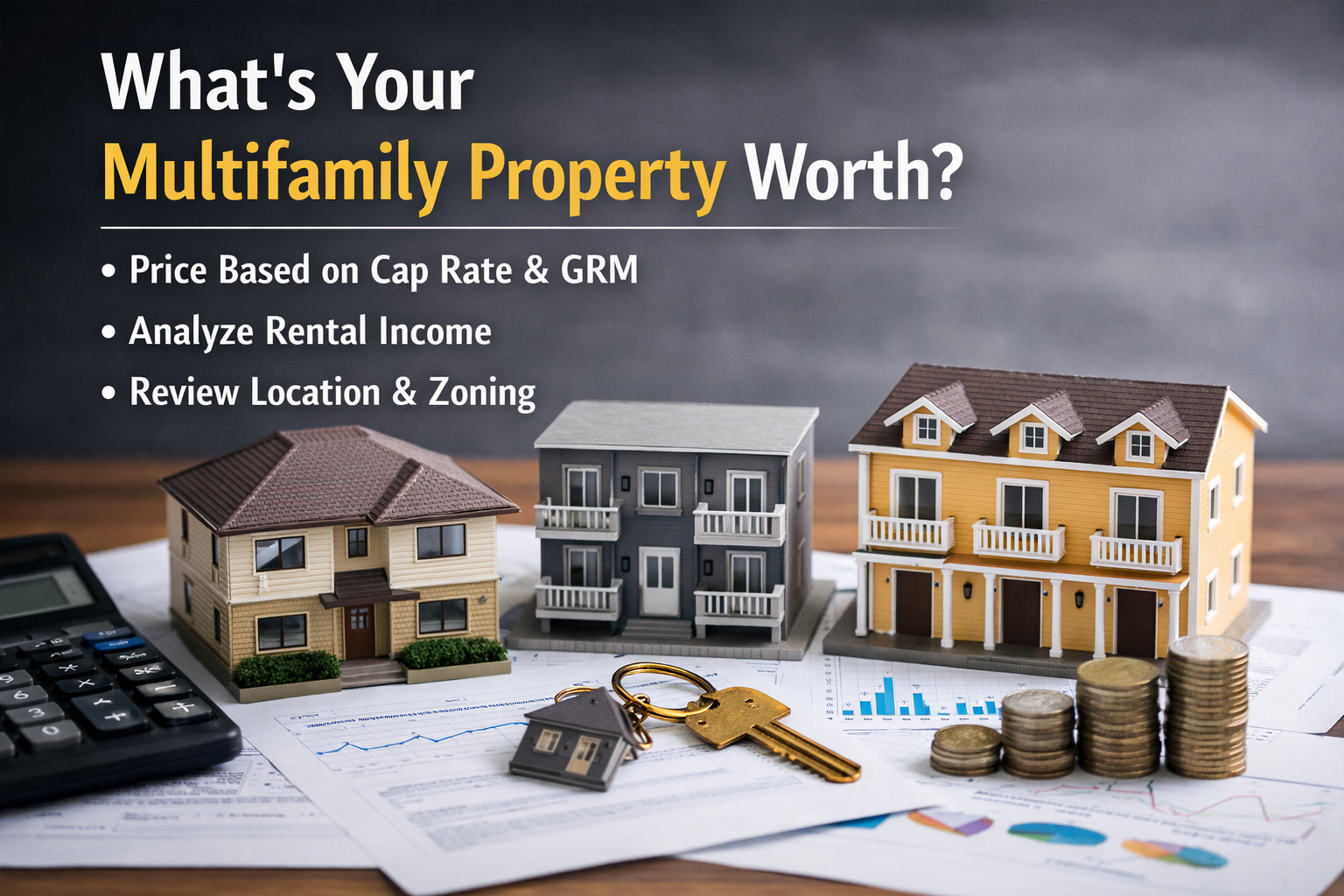
If you own a duplex, triplex, or fourplex and are thinking about selling, understanding what your property is truly worth requires more than simply looking at nearby sales. Multifamily pricing is driven by several factors, including location, square footage, zoning, lot size, rental income, cap rate, GRM, operating expenses, and future development potential.
A proper evaluation also involves reviewing key documents such as the preliminary title report, certificate of occupancy, permits, and verifying the legal number of units. When these details are carefully analyzed and the numbers make sense, the property can be priced strategically for today’s market.
If you’d like to understand what your duplex, triplex, or fourplex may be worth in today’s Los Angeles market, feel free to reach out. A detailed review of the property and its financials can help determine the most accurate pricing and the best strategy for bringing it to market.