Westwood Multifamily-90024
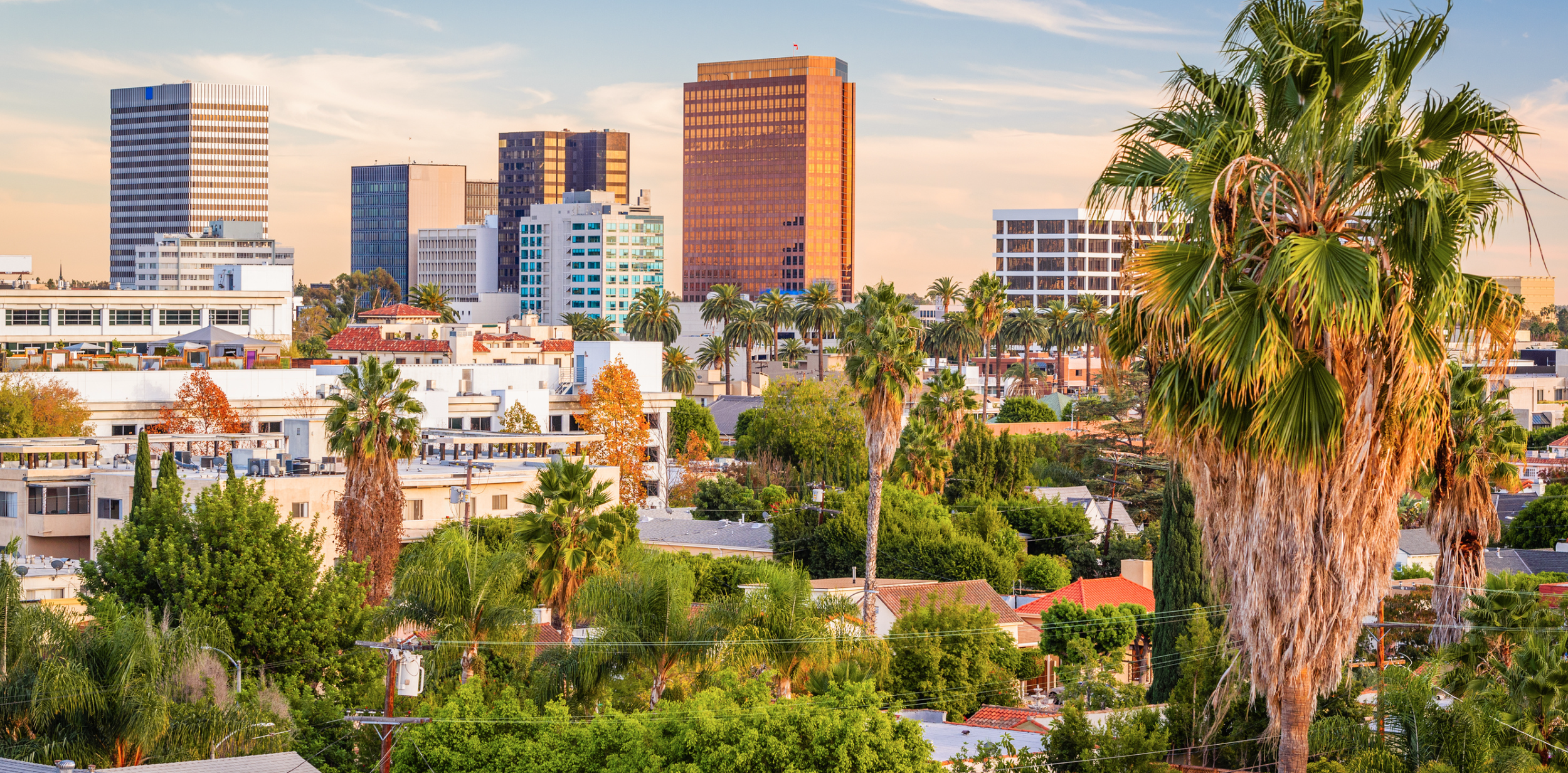
Westwood remains one of the most desirable multifamily submarkets on the Westside, defined by its walkability, UCLA-driven rental demand, and extremely limited inventory. With only a handful of buildings trading each year, values in 90024 continue to appreciate faster than neighboring ZIP codes because buyers compete for a small supply of high-performing income properties. Proximity to UCLA, the upcoming Metro Purple Line extension, and flexible multifamily zoning (RD1.5, R3, R4) make Westwood uniquely attractive to owner-users, long-term investors, and developers seeking transit-oriented opportunities. In 2025, pricing, absorption, and demand reached some of the highest levels recorded, reinforcing Westwood as one of the most stable and future-forward multifamily markets in Los Angeles.
Please note that this analysis is based solely on MLS data. Some multifamily properties sell off-market or through commercial platforms such as LoopNet and Crexi, so those transactions may not be reflected here.
Inventory Pricing Trends, Developer Activity & What’s Driving the Market Right Now
Westwood’s multifamily market has entered one of its most competitive phases in years. With UCLA student turnover, extremely limited supply, and the long-awaited Metro Purple Line opening, income properties in 90024 are experiencing record PPSF highs, rapid absorption, and strong developer premiums on land-value sites.
Since January 1, 2025, the market has recorded:
18 Solds multifamily sector in 90024-Westwood
3 Pending sales
6 Actives
In a district as tightly held as Westwood, these numbers tell a clear story: this is a low-inventory, high-demand environment and the forces behind it are structural, not temporary.
What Are Westwood Income Properties Selling For in 2025?
Price Per Square Foot, Days on Market & What Buyers Pay Today in Multifamily sector, Westwood
The 2025 data reveals three distinct pricing bands:
1. Two–Four Unit Buildings (Highest Demand)
PPSF(price-per-square-foot) Range: $550–$650
DOM-Days on the market, Westwood-Multifamily, 2-4 units: 5–20 days
Buyer Profile for Westwood Multifamily: Owner-users, 1031 buyers, investors seeking UCLA rental demand
Why They Move: Easy to renovate, easier turnover, high rent ceilings
Spanish, Traditional, or character-rich buildings in walkable pockets can exceed $700–$800 PPSF especially if delivered vacant or partially vacant.
2. Six–Ten Unit Buildings (Investor Core Market)
PPSF Range: $425–$575
DOM-Days on the market, Westwood-Multifamily, 6-10 units:: 12–30 days
Buyer Profile: Long-term investors seeking stable returns
Why They Move: Reliable rent growth near UCLA medical + campus demand
These buyers are sensitive to rent control, condition, and cap-ex requirements.
3. Fifteen–Twenty+ Units (Institutional Buyers)
PPSF: Below $350 if older or heavily rent-controlled
DOM-Days on the market, Westwood-Multifamily, 15-20+ units: 20–45 days
Buyer Profile: Professional operators & family trusts
Why They Move: Scale + location + long-term appreciation
These are return-driven purchases priced on NOI and GRM, not emotion.
Why Developers Are Paying Premiums in Westwood 90024
The $4.6M Sales Cluster, Transit Incentives & Land-Value Economics
Four properties sold simultaneously at $4.6M:
10370 Ashton Ave
10366 Ashton Ave
10354 Ashton Ave
1231 Devon Ave
When you combine multiple adjacent lots, you create a continuous development site. That larger canvas dramatically increases what a developer can build, which is why the payout for a single lot can reach numbers like $4.6M. The value isn’t just in one parcel, it’s in the ability to merge it with the neighboring lot and the two parcels behind it, creating a rare, expansive opportunity that commands a premium. These are back-to-back LARD1.5 parcels, forming an unusually rare development envelope near the future Westwood/UCLA Metro station.
If you own a triplex or an empty lot, always check whether the adjacent owners are willing to sell. Combining lots creates a larger development site, and developers pay a premium for that kind of scale. By offering a unified, expanded parcel, you can elevate your property’s value—often doubling or even tripling what a single lot would sell for on its own.
Why developers paid $1,400–$1,530 PPSF (far above investor pricing):
•Assemblage potential — deeper lots, better massing, efficient parking
•Transit Priority Area — potential for reduced parking + streamlined review
•SB-79 framework — encourages more housing near major transit corridors
•Proximity to UCLA — guaranteed long-term rent demand
•Scarcity of land — redevelopment sites almost never trade hands
These $4.6M sales set a new land benchmark for Westwood multifamily.
How SB-79 and Transit Policy Impact Westwood Multifamily Values
SB-79 does not automatically upzone parcels or guarantee density increases.
What it does is:
Encourage cities to plan for higher housing capacity near major transit stops
Reduce zoning barriers near transit infrastructure
Allow transit agencies to develop housing on their own land
Support faster approvals for qualifying projects
Combined with TOC, density bonus programs, SB-330, and the Purple Line extension, Westwood becomes a priority growth zone, which is why developers are aggressively acquiring RD1.5, R3 lots today.
What Is the Sweet Spot for Multifamily Sellers in Westwood 90024?
The Pricing Band Where Properties Actually Move
2–4 Units (fastest segment):
$550–$650 PPSF
DOM -(Days on the market) 5–20
Premiums if delivered vacant or Spanish/Traditional
6–10 Units (steady investor segment):
$425–$550 PPSF
DOM -(Days on the market) 12–30
15+ Units:
$300–$350 PPSF
DOM-(Days on the market) 20–45
Transit-adjacent + LARD1.5 parcels:
$1,400–$1,550 PPSF for land value
Developers pay for future density, not current income
This is why the Ashton/Devon cluster sold instantly at $4.6M. each.
Why Westwood Continues to Outperform the Westside & Why Multifamily Sells So Quickly
A Unique Set of Market Drivers Only This ZIP Code Has
✔ UCLA turnover allows rents to reach market regularly
✔ Metro Purple Line increases long-term feasibility and rent ceilings
✔ SB-79 and State housing law encourage future density near transit
✔ R1.5, R3, R4 zoning is flexible and developer-friendly
✔ 90024 has some of the lowest multifamily inventory in Los Angeles
✔ High-income tenant base + medical workers + graduate students
✔ Walkability to Westwood Village, UCLA, and amenities
These fundamentals make Westwood one of the most predictable and future-forward multifamily investments in the Westside.
What This Means for Westwood Multifamily Sellers
With only 6 Actives, 3 Pendings, and 18 Solds, Westwood is experiencing:
historically low inventory
buyer competition at multiple price points
developer aggression for transit-adjacent parcels
premium pricing for small buildings
strong owner-user demand
For owners, this is a uniquely favorable moment to sell, especially for:
2–4 unit buildings
Properties near UCLA
Delivered-vacant or partially vacant assets
LARD1.5 lots near the future Metro station
Buildings with architectural charm or large floor plans
Correct pricing + professional presentation = top-of-market offers in under 20 days.
Is Westwood a good area to buy a multifamily building?
Yes. Westwood is one of the strongest multifamily markets on the Westside due to consistent rental demand, low vacancy, and long-term appreciation driven by UCLA.
Why It’s a Strong Investment
Reliable occupancy from UCLA students, faculty, medical staff, and professionals
Limited supply of small multifamily buildings
High rent ceilings and frequent tenant turnover, allowing owners to reach market rents
Walkable, amenity-rich location that stays in demand year-round
Development Outlook
New projects, including an 84-unit tower and a nine-story affordable housing development—signal long-term confidence in the area. These additions improve infrastructure and walkability while maintaining strong rental demand around UCLA.
Bottom line: Westwood offers stable cash flow, low vacancy risk, and excellent long-term appreciation, making it a consistently strong choice for multifamily investors.
How fast do Westwood multifamily properties sell?
The lowest Days on Market is 0 days, and the highest is 45 days.
Absorption depends on: building size, lot size, whether delivered vacant or not, condition, zoning, rent-control status, UCLA proximity, correct pricing and whether the lot qualifies for higher density or future development.
Even at the high end of the range, Westwood multifamily gets absorbed quickly because demand far exceeds supply.
Correctly priced buildings in the sweet PPSF range sell in under 3 weeks, many in under a week.
What is the price per square foot for multifamily buildings in Westwood?
Based on all recent MLS data, multifamily buildings in Westwood typically sell between $300 and $800 per square foot, with smaller 2–4 unit properties trading at the higher end of the range and larger 15–20+ unit buildings landing at the lower end due to pricing driven by income, condition, and rent-control factors.
What is the turnover rate for UCLA-area rentals?
Turnover in UCLA-area rentals is very high, typically 50%–100% per year, because most tenants are students on 9–12-month leases. Despite frequent turnover, occupancy remains near 100% during the academic year.
Why Turnover Is So High
Students move yearly based on class schedules, roommates, and graduation.
UCLA guarantees on-campus housing for part of a student’s time, pushing others off-campus into Westwood rentals.
Demand resets every summer and fall, creating constant tenant cycling.
How Owners Manage Turnover
Most landlords require 12-month leases to avoid summer vacancies.
Pre-leasing begins months in advance, often filling units early due to extreme demand.
Higher turnover means higher maintenance but also regular opportunities to reach market rent.
Bottom line: Turnover around UCLA is much higher than typical LA multifamily, but units re-lease quickly, keeping occupancy strong and upside consistent for investors.
Are developers buying in Westwood right now?
Yes. Developers are actively buying and building in Westwood, driven by UCLA’s housing demand, upcoming Metro access, and state density incentives (TOC, AB 2334/1287, SB-79).
What’s Happening Now
New mid-rise projects are under construction, including 23-unit, 18-unit, and 47-unit buildings on Veteran Avenue using TOC bonuses.
UCLA is adding major supply, including a 19-story, 1,150-bed tower at 901 Levering.
Office-to-residential conversions—such as a 17-story Douglas Emmett project—are moving forward.
VA Campus redevelopment is underway, adding 250 affordable units now and 1,200 more by 2028.
Why Developers Are Targeting Westwood
Tight rental inventory and near-zero vacancy
Strong pre-leasing near UCLA
SB-79 and TOC incentives that override restrictive zoning
Anticipated value lift from the 2027 Metro D Line stations
Bottom line: Developer activity in Westwood is strong and ongoing, particularly around UCLA, Veteran Ave, Wilshire Blvd, and future Metro station areas, making it one of the most active development pockets on the Westside.
What is the R1.5 zoning in Westwood?
“R1.5” is not an official Los Angeles zone. The correct designation is RD1.5 (Restricted Density 1.5), a multifamily zone that allows one dwelling unit per 1,500 sq ft of lot area.
Small multifamily buildings (duplex, triplex, or small apartments)
Higher density than R1, but lower than R3 or R4
Attractive for investors seeking limited multifamily development
Westwood Application
Westwood is a mix of:
R1 single-family zones (one dwelling per lot)
RD and R3 zones near UCLA with multifamily potential
RD1.5 parcels allow more flexibility than standard R1 and can support 2+ units depending on lot size, making them valuable in high-demand areas near UCLA.
Always verify zoning on ZIMAS or the City zoning map.
Does the Metro Purple Line increase Westwood property value?
Yes. The Purple Line Extension is expected to boost Westwood property values by improving transit access, reducing commute times, and attracting more renters, students, medical staff, and professionals.
Why Values Increase
Walkable access to a rail station increases demand
Faster commutes (Westwood–Downtown in ~25 minutes) appeal to young renters
Transit hubs historically produce higher rents and lower vacancy
Investors target these areas early, anticipating appreciation
Westwood Impact
With stations arriving by 2027, Westwood is positioned for major growth. Proximity to UCLA, limited housing supply, and strong rental demand amplify the value increase, making transit-adjacent multifamily and development parcels especially attractive.
Bottom line: The Purple Line is a long-term value catalyst for Westwood—raising demand, strengthening rents, and increasing property prices around future station areas.
What are the best streets for investment property in Westwood?
The best investment streets in Westwood are those closest to UCLA, Westwood Village, and the future Metro D (Purple) Line stations, where rental demand, turnover, and long-term appreciation are strongest.
Top Investment Streets
Gayley Avenue
One of the highest-demand rental corridors. Steps to UCLA, Westwood Village, and the future Westwood/UCLA Metro Station (Wilshire between Veteran & Westwood Blvd). Near-zero vacancy and strong rent premiums.
Westwood Boulevard
Prime walkability to campus, retail, and the Purple Line station area. Consistent turnover and easy leasing to students, medical staff, and young professionals.
Wilshire Boulevard / Wilshire Corridor
Luxury rental and condo corridor with long-term appreciation. Extremely strong future upside due to both the Westwood/UCLA and Westwood/VA Hospital stations along Wilshire.
Additional High-Performing Areas
Veteran Avenue, Levering, Kelton, Midvale, and Glendon
These streets sit in the student-housing belt with very high turnover, fast lease-up, and strong PPSF for investors.
Why Metro Proximity Matters
The D Line Extension (opening ~2027) adds two Westwood stations:
Westwood/UCLA Station (Wilshire @ Veteran → Westwood Blvd)
Westwood/VA Hospital Station (Wilshire west of the 405)
Properties within walking distance of these stations historically see:
Higher rents
Faster lease-up
Lower vacancy
Stronger appreciation
Bottom Line: The best investment streets in Westwood are those closest to UCLA, Westwood Village, and the upcoming Metro stations, especially Gayley, Westwood Blvd, Wilshire Corridor, Veteran, Levering, Kelton, and Midvale. These locations consistently outperform the market due to transit access, student demand, and extremely limited supply.
What are the average rents for Westwood apartments? How much can you charge for rent near UCLA?
As of late 2025, Westwood remains one of LA’s most expensive rental markets due to UCLA demand and limited supply.
Average Rents
Studios: ~$2,060–$2,100
1-Bedrooms: ~$2,800–$2,900
2-Bedrooms: ~$3,500–$3,950
3-Bedrooms: ~$6,000–$7,500
Bottom line: Westwood rents are among the highest in Los Angeles, with consistent demand from students, faculty, medical professionals, and renters prioritizing proximity to UCLA and the future Metro line.
What should I look out for when buying a multifamily in Westwood?
When buying a multifamily property in Westwood, focus on location, rent control, building condition, and zoning because most buildings are older, tenant turnover is high near UCLA, and values depend heavily on upside potential.
Key Things to Watch
1. Rent Control & Tenant Mix
Most pre-1978 properties fall under LA City RSO, limiting rent increases and affecting cash flow.
Check:
Current rents vs. market rents
Tenant longevity and turnover
Any protected or long-term tenants
2. Building Condition (Older Westwood Stock)
Many structures are 1930s–1960s buildings. Common issues include:
Cast-iron sewer lines
Old plumbing/electrical
Foundation settlement
Deferred maintenance from student tenants
Always budget for repairs and inspections (sewer scope, roof, foundation, drainage).
3. Zoning & Redevelopment Potential
Westwood includes a mix of R1, RD1.5, R3, and transit-oriented areas.
Verify on ZIMAS:
Whether higher density is allowed
If SB-79 or TOC incentives apply
Any restrictions on teardowns or additions
Redevelopment potential can significantly impact long-term value.
4. Income, Upside, and Financing
Analyze:
NOI, cap rate, GRM, DSCR
How quickly you can reach market rents
Whether the building can be delivered partially or fully vacant
Financing differences:
1–4 units: residential lending
5+ units: commercial lending
5. Location Within Westwood
Demand varies street by street. The strongest areas are near:
UCLA
Westwood Village
Future Metro D Line stations (Wilshire/Veteran, Wilshire/VA Hospital)
Better walkability = higher rents and lower vacancy.
6. Market Conditions
Inventory is extremely tight (only ~18 sales YTD)
Some rents have softened slightly due to new supply, but demand remains strong
Construction for the Metro line may temporarily affect traffic but boosts long-term value
What is the average cap rate in Westwood multifamily?
Westwood multifamily cap rates typically fall in the 4.8%–5.3% range, reflecting high property values, strong rental demand near UCLA, and very low vacancy.
Cap Rate Breakdown
Stabilized Westwood assets: ~4.8%–5.0%
Value-add / upside buildings: ~5.0%–5.3% (higher pro forma potential)
Turnkey Class A: lower end due to premium pricing
Example: A recent Westwood sale at 1301 Devon showed a ~4.9% current cap with 8%+ pro forma after renovation and rent repositioning.
Why Cap Rates Stay Compressed
Extremely high tenant demand from UCLA
Near-zero vacancy in walkable areas
Limited multifamily inventory
Transit-driven appreciation (upcoming Metro D Line)
Bottom line: Westwood is a premium submarket, so cap rates remain below broader LA averages, typically landing around 5% for most multifamily transaction A strong Westwood multifamily purchase depends on accurate rent control analysis, building condition, zoning, and location near UCLA or transit. Look for properties with upside in rent, solid bones, and long-term redevelopment potential.
What are the most common issues with older Westwood buildings?
Older Westwood buildings many built between the 1930s and 1970s commonly face plumbing, electrical, structural, and maintenance problems, especially with heavy student turnover.
Typical Issues
1. Aging Plumbing
Cast-iron or galvanized pipes causing leaks, backups, and water intrusion (a major source of mold in older Westwood buildings).
2. Outdated Electrical Systems
Old wiring and limited capacity lead to blown circuits and occasional power issues when tenants overload systems.
3. Foundation & Structural Wear
Settling, cracks, drainage problems, and aging roofs are common in pre-1950s construction.
4. Deferred Maintenance
High student turnover often results in heavier wear-and-tear, patchwork repairs, and neglected systems.
5. Rent-Control Constraints
RSO restrictions can delay major renovation projects, making full upgrades harder without vacancies.
Bottom line: Expect older Westwood buildings to need upgrades in plumbing, electrical, foundation, roofing, and mold/water-proofing, with additional attention to maintenance and turnover management.
Which multifamily buildings near UCLA have the highest rental demand?
Multifamily properties closest to UCLA experience near-100% occupancy due to extreme student housing shortages and limited supply in 90024. Buildings with strong walkability to campus consistently command the highest rents and lease up the fastest.
Highest-Demand Properties
Legacy at Westwood Apartments
Premium Class-A building with one-bedrooms ranging $3,700–$6,600+, reflecting Westwood’s status as one of California’s most expensive rental markets.Gayley Towers (565 Gayley Ave – Redevelopment)
An 8-story co-living project delivering 545 beds, including affordable units starting around $600/mo. Designed to absorb undergraduate demand; completion 2026.
Emerging High-Demand Sites
901 Levering Terrace (UCLA Proposed Tower)
A planned 19-story, 1,150-bed student housing tower replacing aging stock. This project directly responds to historically tight vacancy and rising enrollment.
Why These Buildings Perform
Walkability to UCLA
Persistent supply shortages in Westwood
Off-campus one-bedroom rents averaging $2,800+
Strong demand from undergraduates, graduate students, and medical staff
Bottom line:
Student-focused multifamily assets in Westwood lease extremely quickly and maintain premium rents, making the area one of the strongest rental markets in Los Angeles.
How does SB-79 affect multifamily development near UCLA?
SB-79 makes it much easier to build multifamily housing near UCLA by overriding restrictive zoning and allowing greater height, density, and FAR within a half-mile of major transit stops.
Key Effects
Allows higher density and taller buildings than local zoning normally permits
Applies to projects with 5+ units on sites within ½ mile of transit
Requires an affordable housing set-aside to qualify
Uses SB-35 ministerial (fast-track) approval when requirements are met
Cannot be used to demolish rent-controlled buildings or displace tenants
Impact on Westwood & UCLA Area
Many parcels near UCLA qualify due to proximity to the Metro E Line and major transit corridors. This means:
More sites can be developed into multifamily rather than single-family
Developers gain strong incentives to assemble lots and build larger projects
Height and density allowances increase feasibility in high-demand UCLA-adjacent blocks
Bottom line: SB-79 significantly expands development potential around UCLA, making Westwood one of the most attractive zones in Los Angeles for future multifamily projects—especially near transit and student demand centers.
How much do multifamily buildings cost in Westwood 90024?
In Westwood 90024, multifamily buildings generally cost:
$1.6M–$3.5M for 2–4 units
$3.5M–$5.5M for 5–10 units
$5M–$12M+ for larger buildings
$4.6M for LARD1.5 development-value parcels
How many multifamily buildings sell each year in Westwood?
Westwood is a tight, low-turnover multifamily market, with relatively few buildings trading hands each year.
Recent Sales Volume
2025 (year-to-date): 18 multifamily properties sold, plus 3 pending
2024: Only 11 multifamily sales recorded on the MLS
Because many owners hold long-term and some transactions close off-market or via loopnet, crexie and costar, the real number is slightly higher than MLS data reflects.
What This Means for Buyers & Sellers
Inventory is scarce, which supports pricing and creates competition.
Well-located 2–6 unit buildings often sell within days when priced correctly.
Buyers must act quickly, while sellers benefit from strong demand and limited supply.
Bottom line: Westwood averages 10–20 multifamily sales per year, making each listing a rare opportunity in a highly desirable, low-inventory ZIP code.
Is Westwood good for 1031 exchange buyers?
Yes. Westwood is an excellent market for 1031 exchange buyers because it offers stable rental demand, strong appreciation, and a consistent supply of 2–10 unit multifamily buildings ideal for tax-deferred reinvestment.
Why It Works Well for 1031 Exchanges
High, year-round demand from UCLA students, faculty, and medical staff
Low vacancy and fast lease-up, reducing risk during the exchange timeline
Strong long-term appreciation, making it a strategic upgrade market
Inventory that fits 1031 timelines many properties sell and close quickly
Investor Appeal
Buyers use Westwood to:
Trade up from lower-value markets into a premium ZIP code
Increase cash flow with higher rental ceilings
Acquire stable assets with predictable demand
Bottom line: Westwood checks all the boxes for 1031 buyers, location, stability, appreciation, and reliable rental income, making it one of the Westside’s most efficient exchange markets.
Curious About Your Westwood Multifamily Building’s Value?
Whether you own a 2–4 unit building, a 6–10 unit apartment asset, or an RD1.5/R3 multifamily development parcel near UCLA, accurate pricing depends on cap rate, GRM, DSCR, rent roll analysis, zoning density, RSO restrictions, building condition, rental upside, and current Westwood multifamily buyer demand. Automated systems cannot value income properties correctly — a professional Westwood multifamily valuation is essential to achieving the highest price.
Get Your Multifamily ValuationI provide detailed Westwood multifamily pricing using PPSF, cap rate, GRM, DSCR, RSO analysis, rental comparables, zoning review (RD1.5 / R3 / TOC / SB-79), and buyer demand to present the strongest listing strategy for sellers seeking top value in 90024.
Thinking About Buying a Multifamily Property in Westwood?
Buying in Westwood requires understanding DSCR loan guidelines, GRM expectations, RSO tenant implications, rent roll stability, deferred maintenance, true cap rate performance, UCLA turnover-driven vacancy risk, and long-term zoning potential. I guide investors, first-time multifamily buyers, trust buyers, and 1031 exchange clients in selecting the right Westwood income property with strong cash flow and appreciation potential.
Call Me for Buyer GuidanceAs a Westwood multifamily specialist, I help you evaluate DSCR financing, rent rolls, RSO compliance, deferred maintenance, upside value, and investment performance — ensuring you purchase the right property at the right price.
Berkshire Hathaway HomeServices California Properties
Westwood & Westside Multifamily Specialist | Income Property Listing Agent | 1031 Exchange Advisor
CA DRE# 01895315
3130 Wilshire Blvd, Suite 100-90403, Santa Monica, CA
Phone: 310-422-9001 | Email: RindePhilippe@bhhscal.com
Serving Westwood 90024 | UCLA-adjacent multifamily | RD1.5 & R3 zoning | Sell your apartment building | Westwood income property valuation | Multifamily listing agent | Trust & inherited multifamily