Biggest Mistakes Owners Make When Selling a Duplex, Triplex, or Fourplex in Los Angeles
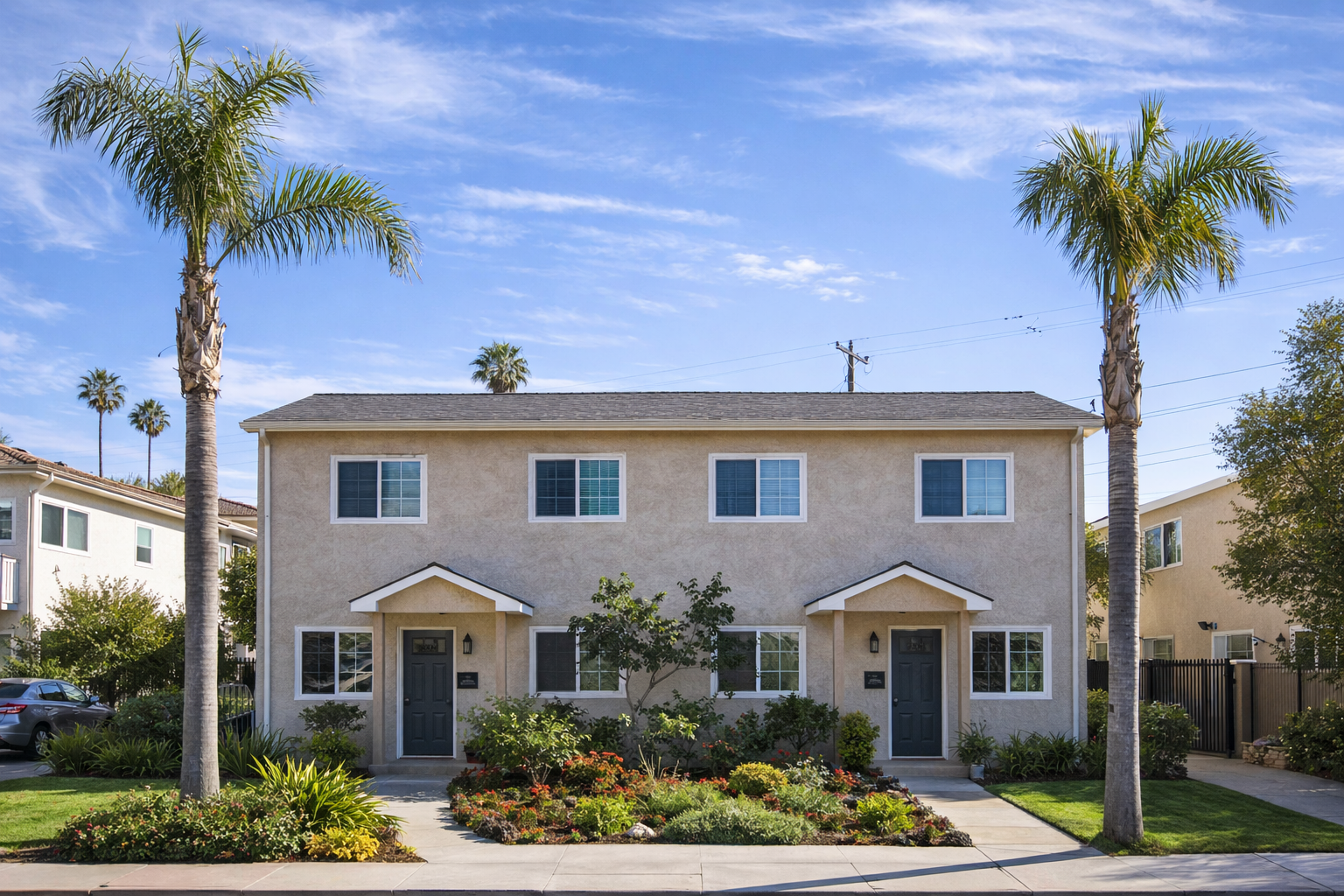
Selling a duplex, triplex, or fourplex in Los Angeles is very different from selling a single-family home. These small multifamily properties sit at the intersection of residential financing, rent control regulations, investor underwriting, and local transfer taxes.
Because of that, sellers often encounter issues that can affect pricing, buyer interest, financing approval, and ultimately the success of the transaction.
Below are some of the most common mistakes owners make when selling small multifamily properties in Los Angeles County, and how to avoid them.
Overpricing the Property or Using the Wrong Valuation Method
One of the most common mistakes owners make when selling a duplex, triplex, or fourplex in Los Angeles is overpricing the property based on emotion or outdated sales.
Many sellers rely on what a nearby property sold for years ago or assume that because their building is nicer, it should automatically command a significantly higher price. While improvements certainly matter, small multifamily properties are typically evaluated using income-based metrics.
Buyers and lenders often analyze:
Current rental income
Market rents
Gross Rent Multiplier (GRM)
Cap rate
Operating expenses
Long-term rent growth potential
If the income does not support the asking price, investors may simply move on to another opportunity.
Another issue sellers sometimes encounter is during the appraisal process. When a buyer is using financing, the property must satisfy the lender’s appraisal requirements. If the appraiser cannot find comparable duplex or fourplex sales nearby, they may rely on older or less comparable transactions, or expand their map, which can lead to a lower valuation.
This is why it is important to price the property realistically based on recent multifamily sales, income performance, and buyer demand, rather than relying solely on past neighborhood sales or personal expectations.
Failing to Properly Prepare and Document the Property Before Listing
First impressions matter when selling any property, but they can be especially important when marketing duplexes, triplexes, and fourplexes.
Many sellers underestimate how much presentation and documentation influence buyer confidence.
Preparing the property before listing can make a significant difference in attracting stronger offers.
Important preparation steps often include:
Improving curb appeal by trimming landscaping, cleaning walkways, and maintaining exterior areas
Touching up paint where needed to give the property a clean and well-maintained appearance
Addressing visible maintenance issues that might discourage buyers during showings
Ensuring common areas are presentable and inviting
Beyond physical appearance, documentation is equally important.
Buyers of small multifamily properties often want to review detailed information about the building before making an offer.
This may include:
Records of renovations and improvements
Roof replacement history
Plumbing or electrical upgrades
Seismic retrofitting or structural work
Permit history and Certificates of Occupancy
Utility setup and whether units have separate meters
Include documentation confirming compliance with California SB 721, which requires inspection of exterior elevated elements such as balconies, decks, and walkways in multifamily buildings by a qualified professional.
Providing organized documentation early in the process helps build trust with buyers and reduces delays during escrow.
Being proactive about these details allows sellers to present the property in the best possible light while also avoiding surprises during inspections or due diligence.
Not Understanding That a Financed Buyer Must Clear the Appraisal
One issue many sellers do not anticipate is that the sale is often not just between the buyer and the seller.
If the buyer is using financing, the property must also satisfy the buyer’s lender through the appraisal process.
In other words, the property is effectively being sold twice:
First to the buyer
Then to the buyer’s lender through the appraisal
If the appraisal comes in lower than the contract price, the lender will base the loan on the lower value.
This can create several possible outcomes:
The buyer brings additional cash to cover the difference
The seller agrees to reduce the price
Both parties negotiate somewhere in between
The transaction cancels
Low appraisals can occur in small multifamily sales because there are often very few comparable duplex or fourplex sales nearby.
An appraiser may end up using properties that are:
Older
Smaller
In different neighborhoods
Missing features such as separate meters, parking, or updated interiors
In some cases, sellers can challenge the appraisal if the report missed key improvements or better comparable sales. But sellers should still be prepared for the possibility that the appraised value may not match the contract price.
Ignoring Unit Legality and Permit History
One of the biggest risks in Los Angeles multifamily transactions involves unpermitted or non-conforming units.
Owners sometimes advertise a property as a triplex or fourplex when city records only recognize fewer legal units.
When this happens, buyers, lenders, and appraisers often adjust their valuation based on the legal unit count rather than the physical layout.
This can create issues such as:
Lower appraised value
Financing complications
Renegotiation during escrow
Buyer cancellation
Before listing a property, it is important to confirm:
Certificate of Occupancy
Permit history
Zoning compliance
Unit count on city records
Clarifying these details early helps avoid surprises later in escrow.
Not Preparing for Rent Control Questions
In Los Angeles and Santa Monica, rent control laws heavily influence the value of small multifamily properties.
Buyers often ask detailed questions such as:
Is the property subject to the Los Angeles Rent Stabilization Ordinance (RSO)?
Does Los Angeles city or county rent control apply?
What are the current rents vs allowable rents?
Are tenants long-term or month-to-month?
Are there pending tenant disputes or eviction cases?
Incomplete or unclear information can make buyers nervous and delay escrow.
Having organized documentation ready can significantly improve buyer confidence.
Important documents usually include:
Rent roll
Lease agreements
Security deposit records
Utility responsibilities
Rent control registration certificates
Mishandling Tenant Access During the Sale
Tenant access can directly affect how many buyers view the property.
California law generally allows a landlord or the landlord’s agent to enter a unit with reasonable notice, typically 24 hours, to show the property to prospective buyers.
Most sellers and agents use a 24-Hour Notice to Enter based on California Civil Code §1954.
While most tenants cooperate, conflicts sometimes arise if tenants restrict showing times or become difficult during the sales process.
When access becomes limited, the property may receive fewer showings, which reduces exposure to potential buyers.
Managing tenant communication carefully is an important part of selling occupied multifamily properties.
Overlooking Local Transfer Taxes
Many sellers in Los Angeles and Santa Monica are surprised by the impact of local transfer taxes.
These may include:
Measure ULA in Los Angeles (often called the “mansion tax”)
Depending on the sales price, these taxes can significantly affect the seller’s net proceeds.
Understanding these costs before listing the property allows sellers to price strategically and avoid surprises at closing.
Incomplete Disclosures
California has strict disclosure laws, even for small multifamily properties.
Many sellers assume investment properties require fewer disclosures, but for duplexes, triplexes, and fourplexes the disclosure requirements are similar to residential homes.
Common disclosures include:
Transfer Disclosure Statement (TDS)
Seller Property Questionnaire (SPQ)
Known structural or plumbing issues
Past water intrusion
Foundation movement
Insurance claims
Providing thorough disclosures helps reduce the risk of disputes after closing.
Final Thoughts
Selling a duplex, triplex, or fourplex in Los Angeles involves more moving parts than a typical home sale.
Pricing strategy, rent control regulations, appraisal risks, tenant management, and transfer taxes can all influence the outcome of the transaction.
Understanding these factors ahead of time allows sellers to prepare properly, attract serious buyers, and avoid unnecessary delays during escrow.
If you are considering selling a duplex, triplex, or fourplex in Los Angeles and want to understand what buyers are looking for in today’s market, a detailed property evaluation can help clarify pricing, potential risks, and the best strategy for bringing the property to market.