Selling Property After the Pacific Palisades Fires
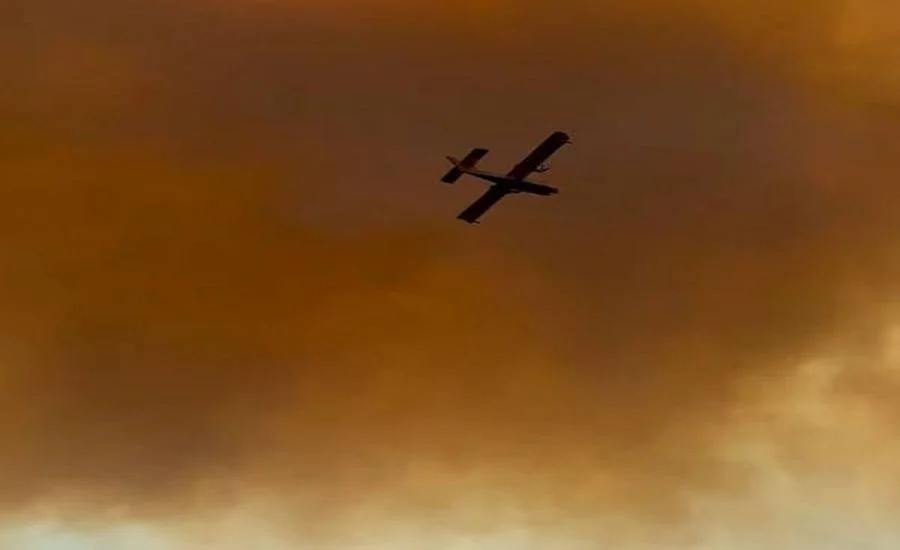
Wildfires create complicated situations for homeowners. After the Pacific Palisades fires, many property owners are trying to understand whether they should rebuild, hold, or sell their property. Insurance claims, reverse mortgages, HOA responsibilities, and changing market conditions all play a role in determining the best path forward.
Below are some of the most common concerns homeowners have when considering selling property after wildfire damage.
Can a Property Be Sold If There Is a Reverse Mortgage?
A reverse mortgage does not prevent a homeowner from selling the property. The loan balance is simply paid off through escrow at closing. If the sale price exceeds the mortgage balance and closing costs, the remaining equity goes to the homeowner.
Many reverse mortgages are federally insured Home Equity Conversion Mortgages (HECM). These loans are typically non-recourse, meaning borrowers generally do not owe more than the value of the property. If the loan balance exceeds the home’s value, lenders may accept about 95 percent of the appraised value as payoff, with the difference covered by FHA insurance.
What Happens If the Property Value Drops After a Fire?
Wildfires can temporarily affect property values, particularly when homes require major repairs or rebuilding. However, in areas with strong long-term demand such as Pacific Palisades, fire-affected properties often attract developers and investors looking for redevelopment opportunities.
Pricing strategy becomes important because market value after a fire is often determined by recent sales of similar damaged or rebuilt properties.
Do Homeowners Have to Rebuild Before Selling?
Rebuilding is not always required in order to sell a property. Some homeowners choose to sell the property in its current condition rather than go through the lengthy rebuilding process.
Buyers for these properties are often investors, developers, or builders who are experienced in reconstruction and permitting.
How Do Insurance Claims Affect the Sale of a Property?
Insurance proceeds must often be coordinated with the lender, especially if a mortgage or reverse mortgage is involved. Depending on the situation, insurance funds may be used to repair the property, applied toward paying down the mortgage, or used as part of the payoff when the property sells.
Homeowners should confirm with both their insurance provider and loan servicer how claim funds can be applied.
What Happens If the Property Is in a Declared Disaster Area?
When a wildfire results in a federal disaster declaration, lenders may implement temporary foreclosure moratoriums or allow additional time for borrowers dealing with financial hardship.
These measures can give homeowners more time to resolve insurance claims, explore rebuilding options, or arrange the sale of the property.
What Issues Do Condo Owners Face After a Fire?
Condominium owners may have additional concerns involving HOA responsibilities. Depending on the HOA’s governing documents and insurance coverage, rebuilding obligations may be shared between the association and individual owners.
Reviewing the HOA’s CC&Rs and insurance policies is important to determine who is responsible for structural repairs, common areas, and rebuilding timelines.
Should Fire-Affected Properties Be Sold Off-Market or Publicly Listed?
Some owners receive unsolicited offers shortly after a disaster, often from investors searching for redevelopment opportunities. While these offers can provide a quick solution, they may not reflect full market value.
Listing the property publicly can sometimes attract multiple buyers and create competition, helping owners achieve a stronger sale price.
What Should Homeowners Do First Before Deciding to Sell?
Before making a decision, homeowners should gather important information including their mortgage or reverse mortgage payoff statement, insurance claim status, HOA documents if the property is part of a condominium association, and a professional market analysis based on current post-fire conditions.
Understanding these factors helps determine whether rebuilding, holding, or selling the property makes the most sense.
Selling Inherited Property After the Pacific Palisades Wildfires
After the recent Pacific Palisades wildfires, many families who inherited property are trying to understand their options. Between probate issues, insurance claims, changing property values, and tax considerations, selling an inherited home or lot can feel overwhelming.
Below are some of the most common concerns heirs are searching about when deciding whether to sell fire-affected property.
Who Has the Legal Authority to Sell an Inherited Property?
Before a property can be sold, ownership must be clearly established. This usually happens through probate court, a trust distribution, or a recorded affidavit of death of the property owner. The individuals listed as the legal heirs or trustees are the ones who must sign the listing agreement and final deed at closing.
It is also important to confirm whether there are any outstanding liens on the property, including mortgages, reverse mortgages, home equity lines of credit, HOA balances, or property tax obligations.
Are Fire-Affected Properties in Pacific Palisades Still Selling?
Yes, but the market has shifted significantly. In wildfire-affected areas, values often adjust depending on the level of damage. Completely burned lots tend to sell at larger discounts compared with their pre-fire values, while properties that experienced smoke damage or are outside the burn zone may see smaller price adjustments.
Buyers for these types of properties are frequently developers, builders, and investors who are comfortable taking on reconstruction projects.
Should Heirs Accept Cash Offers After a Disaster?
Many heirs receive unsolicited offers shortly after a wildfire, often from investors looking for redevelopment opportunities. While some of these buyers are legitimate, homeowners should be cautious when evaluating off-market offers.
Listing the property publicly can often attract more buyers and help establish fair market value rather than accepting the first offer received.
What Happens to Property Taxes When You Inherit a Home?
In most cases, heirs receive what is known as a “step-up in basis,” meaning the property’s tax basis is reset to the market value at the time of the previous owner’s death. This can significantly reduce potential capital gains taxes if the property is later sold.
Because wildfire disasters may trigger additional tax relief provisions, heirs should consult with a tax professional to understand how casualty losses, insurance proceeds, or disaster-related tax rules might apply.
Are There Disaster Relief Programs That Affect Selling?
Federal disaster declarations can trigger special programs that affect mortgages, insurance claims, and property taxes. For example, property owners in wildfire areas may qualify for temporary foreclosure relief, casualty loss deductions, or property tax reassessments if significant damage occurred.
These programs can influence whether heirs decide to rebuild, hold the property, or sell it.
Do Heirs Need to Rebuild Before Selling the Property?
Rebuilding is not always required before selling. Some heirs decide that rebuilding is too costly or time-consuming and instead sell the property as land or as a damaged structure. In many cases, investors and builders are actively searching for properties they can redevelop.
However, preparing the property for sale—such as clearing debris, documenting damage, and gathering inspection reports—can help buyers better evaluate the opportunity.
What Is the First Step Heirs Should Take Before Listing?
Before putting the property on the market, it is helpful to gather key information including ownership documents, insurance claim details, property tax records, and an accurate valuation of the property after the wildfire.
Working with professionals familiar with both estate transfers and fire-affected real estate can help heirs evaluate their options and determine the best strategy.
Insurance Claim vs Selling Property After the Pacific Palisades Fires
After the Pacific Palisades wildfires, many homeowners are trying to decide whether it makes more sense to pursue their insurance claim fully or sell the property in its current condition. The right decision often depends on insurance coverage, rebuilding timelines, and current market conditions.
Should homeowners finish their insurance claim before selling a fire-damaged property?
In many cases homeowners can continue the insurance claim process even if they decide to sell. Some sellers choose to keep the insurance claim and sell the property as-is, while others transfer certain insurance benefits to the buyer as part of the sale. The outcome depends on the policy terms and whether the insurer requires rebuilding in order to release full replacement benefits.
Can you sell a house in Pacific Palisades with an active insurance claim?
Yes, properties can be sold even if the insurance claim has not been fully resolved. The seller and buyer typically decide whether the seller will keep the insurance proceeds or whether remaining claim rights will transfer to the buyer. Escrow and the insurance company must coordinate how funds are handled.
Is it better financially to rebuild or sell after a wildfire?
This often comes down to comparing the potential insurance payout and rebuilding costs with the current value of the property if sold as-is. Rebuilding can take significant time and may involve additional costs such as permitting, engineering reports, debris removal, and higher insurance premiums. Some homeowners prefer rebuilding because it may allow them to capture the full replacement cost benefits of their policy, while others choose to sell to avoid a multi-year rebuilding process.
Why are some owners selling fire-damaged properties instead of rebuilding?
Rebuilding after a wildfire can take years, particularly in areas where many homes were damaged at the same time. Construction delays, permitting backlogs, and rising insurance costs can make rebuilding stressful and expensive. Because of this, many properties are sold to investors or developers who specialize in rebuilding projects.
Do buyers purchase burned lots or damaged homes?
Yes. Investors, developers, and builders often purchase fire-affected properties. These buyers typically evaluate the land value and rebuilding potential rather than the current condition of the structure. Cash buyers are common because financing and insurance can be difficult for damaged properties.
How do wildfire events affect property values in areas like Pacific Palisades?
Property values after a wildfire can change depending on the severity of damage and rebuilding conditions in the area. Completely destroyed structures may sell for significantly less than their previous market value, while homes outside the burn zone may experience smaller price adjustments. Buyers also consider rebuilding timelines, construction costs, and future insurance availability when determining value.
What should homeowners calculate before deciding whether to sell or rebuild?
Homeowners should compare two potential financial outcomes. The first scenario involves accepting insurance proceeds and selling the property in its current condition. The second scenario involves using insurance funds to rebuild or purchase another home and then evaluating the long-term value. Understanding the difference between these two outcomes can help homeowners decide which option makes the most sense financially.
What information should homeowners gather before making a decision?
Before choosing a path forward, it is helpful to confirm the status of the insurance claim, determine the current market value of the property in its present condition, review mortgage balances or liens, and estimate rebuilding timelines and costs. Having this information allows homeowners to compare realistic scenarios before committing to a long rebuilding process or a sale.
Can you sell a fire-damaged property “as-is” in Pacific Palisades?
Yes. Fire-damaged or even completely destroyed properties can be sold “as-is” in Pacific Palisades. Many homeowners choose this option rather than going through the lengthy rebuilding process.
What “as-is” sales look like in the Palisades
Several burned properties have already sold as land opportunities. In some cases, lots where homes were completely destroyed have sold to investors for around $1 million to $1.6 million, depending on location, lot size, and redevelopment potential.
Developers and investors are active buyers in these situations because they are comfortable navigating debris removal, permitting, and rebuilding.
What buyers typically expect
Buyers purchasing fire-affected properties usually focus on land value and future redevelopment potential rather than the existing structure.
Because of the additional work involved—such as debris removal, engineering reports, and construction—buyers often expect significant discounts compared with pre-fire values, especially for fully burned lots.
Many of these transactions are cash purchases, since financing and insurance can be more complicated for damaged properties.
Will insurance companies still insure homes in Pacific Palisades after the fires?
Yes, insurance is still available, but coverage is becoming more limited, more expensive, and harder to obtain in high-fire-risk areas.
Why is insurance becoming harder to obtain?
After recent wildfires, many insurers reduced new policies in high-risk zones. At the same time, rebuilding costs and wildfire exposure have increased, causing insurers to raise premiums significantly. Some homeowners may see large rate increases when their policies renew.
What protection do current homeowners have?
California implemented temporary protections preventing insurers from canceling or refusing to renew many policies in wildfire-affected ZIP codes for a limited period following the disaster. This gives homeowners time to recover and evaluate their options before coverage decisions change.
What if a homeowner cannot find traditional insurance?
Some properties may need coverage through the California FAIR Plan, which acts as the state’s insurer of last resort. FAIR Plan policies typically provide basic fire protection, so homeowners often purchase a separate supplemental policy for broader coverage such as liability or water damage.
What should homeowners expect moving forward?
Insurance companies are increasingly evaluating wildfire risk when underwriting policies. Homes that demonstrate wildfire, mitigation measures, such as cleared vegetation, fire-resistant roofing, and improved ventilation systems, may have a better chance of obtaining coverage or securing lower premiums.
For homeowners in Pacific Palisades, insurance availability is still possible, but understanding these changes is important when deciding whether to rebuild, hold, or sell a property after a wildfire.
Closing Thought
Wildfires create uncertainty, but homeowners still have options. Whether deciding to rebuild or sell, understanding financing, insurance, and market conditions is essential when navigating the sale of a fire-affected property.
Every wildfire situation is different. Insurance claims, rebuilding costs, HOA obligations, reverse mortgages, inherited property issues, and shifting market conditions can all affect the best decision.
If you are considering selling a fire-affected property in Pacific Palisades, it helps to speak with someone who understands post-fire real estate, investor demand, insurance complications, and current market values.
I work directly with homeowners navigating these situations and can help you evaluate:
• Whether selling or rebuilding makes more financial sense
• What your property may be worth in today’s post-fire market
• How insurance claims, mortgages, or reverse mortgages affect a sale
• The best strategy to avoid low-ball investor offers; Contact us!