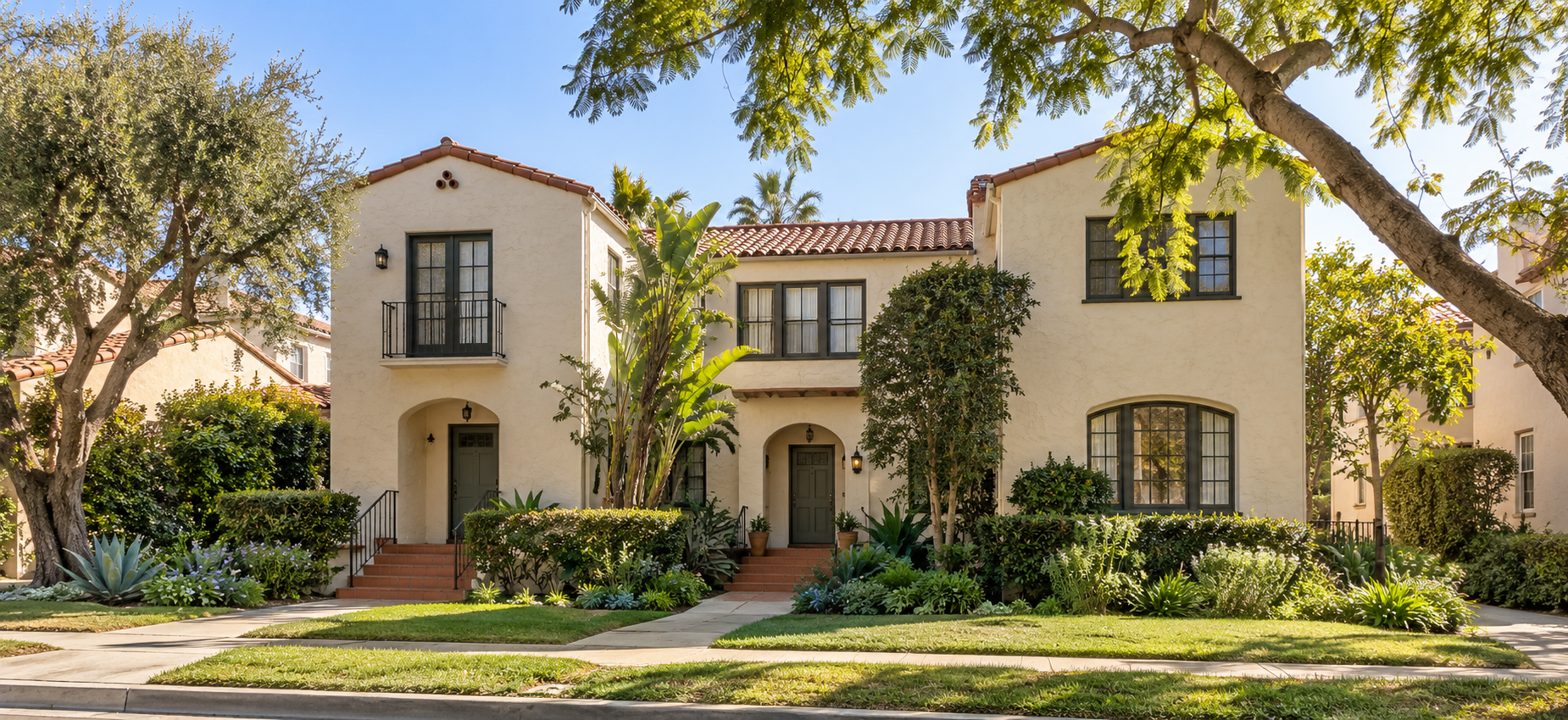
Does the Advertised Number of Units Mean They’re All Legally Approved?
Not necessarily. A property advertised as a fourplex may have only three city-approved units. A space being rented out does not, by itself, mean it is an approved dwelling unit.
Before buying, ask for:
Building permits and approved plans showing the approved units and any conversions.
Certificates of Occupancy, where available, showing the approved use.
The City of Los Angeles Residential Property Report, often called the 9A report.
Any outstanding city violations that could affect the property.
If the listing and city records don’t match, investigate before moving forward. Missing online records don’t automatically mean a unit is illegal. Ask the seller for supporting documents and seek clarification from the city before relying on that unit’s rental income or value.
For properties within the City of Los Angeles, start with LADBS. Santa Monica and other separate cities have their own building departments.
Where Can You Check Property Records?
Los Angeles: Search LADBS Property Records for building permits, Certificates of Occupancy, and related records.
Santa Monica: Start with the Building Permit Document Archive. You can also search building, planning, and enforcement records through Santa Monica Citizen Access.
If the records are missing or don’t match the listing, ask the city’s Building and Safety staff to help confirm the approved unit count. An online search is a starting point; it may not tell the whole story.
Buying a Tenant-Occupied Property in Los Angeles: Does Rent Control Apply?
Buying a rental property doesn’t cancel the tenants’ rights. Before buying a duplex, triplex, or apartment building, check which rules apply:
Los Angeles rent control (RSO): Many older rental units have limits on rent increases and restrictions on evictions. Confirm whether the property is covered with the Los Angeles Housing Department (LAHD). Learn more about which properties are covered by LA rent control.
Los Angeles eviction protections: Even units outside rent control may have “just-cause” protections, meaning the owner needs a legally recognized reason to end a tenancy. Review the city’s eviction protection rules.
California Tenant Protection Act (AB 1482): State rent limits and eviction protections may apply, depending on the property and any exemptions. See the California Attorney General’s tenant guidance.
Tenant relocation assistance: Certain evictions may require payments to tenants. Learn about Los Angeles relocation assistance requirements.
Can you raise the rent or move in after buying? Don’t assume you can. Review each unit’s leases, rent history, and tenant protections before closing. Have a California landlord-tenant attorney review any plans to increase rents or recover a unit.
Check the rules for the city where you’re buying. Santa Monica, the City of Los Angeles, and unincorporated Los Angeles County have different rental regulations. State laws may also apply, so confirm which rules govern the property.
Can You Raise the Rent After Buying a Rental Property in Los Angeles?
Yes, often - but buying the property does not let you reset existing tenants’ rents to market rates. The allowable increase depends on the rules covering each unit.
Units covered by LA rent control (RSO): Generally, these are in multifamily buildings built on or before October 1, 1978. The current allowable annual increase is 3% through June 30, 2027, subject to eligibility, timing, and notice requirements. Check LAHD’s rent increase rules.
Units outside LA rent control: California’s AB 1482 may still limit increases. For covered units in Los Angeles County, the current cap is 8.7% over a 12-month period for increases starting August 1, 2026–July 31, 2027. Exemptions apply. Check California’s current rent caps.
Exempt properties: Different rules may apply, but lease terms and required notices still matter. A newer building does not automatically mean unrestricted rent increases. See California’s tenant protection guidance.
Before buying, verify each unit’s coverage, current lease, and last rent increase. A change in ownership does not restart the rent-increase clock.
Rent-increase rates checked October 2026. Rates and rules can change.
How Do You Verify Rental Income Before Buying a Multifamily Property in Los Angeles?
Check what tenants actually pay—not just what the listing says the building could earn. Market rents and projected income may be higher than the property’s actual income.
Ask the seller for:
The current rent roll: Each unit’s rent and occupancy status.
The last 12 months of payment records: What tenants paid and any unpaid balances.
Income statements and supporting bank deposits: To verify rental receipts.
Any discounts or free-rent agreements: These reduce income.
For example, if the rent roll shows $10,000 a month but tenants consistently pay only $9,000, use the verified collections when evaluating the property. Keep security deposits and one-time payments separate.
Base your purchase analysis on documented income, and evaluate potential rent increases separately.
Buying a Duplex or Triplex in Los Angeles: Will the Tenant Move Out Before Closing?
If a seller says a tenant will move out before you buy the property, ask for documentation and verify that the unit is vacant before closing.
Here’s what to check:
The purchase agreement: Does it identify which unit will be vacant, when it must be delivered, and what happens if the tenant hasn’t moved?
The tenant’s agreement: Has the tenant signed an agreement to leave? Ask for a copy and review its terms.
The unit itself: Before closing, verify that the tenant has moved out, returned the keys, and surrendered the unit.
What if the seller offered the tenant “cash for keys”? For units covered by LA City rent control, a buyout requires specific disclosures and a written agreement. Tenants have a right to cancel within 30 days, and potentially longer if requirements weren’t met. Ask for the signed documents and confirmation of any required filing. Learn more about tenant buyout agreements in Los Angeles.
Buying a Multifamily Property in Los Angeles: What Tenant Records Should You Ask For?
Before buying a duplex, triplex, or apartment building, ask the seller or property manager for records for every unit. These documents help you understand what tenants pay, what they’re owed, and what agreements you’ll take over.
Request:
Leases and addenda: Check the rent, lease dates, tenant names, and agreements about parking, pets, utilities, or discounts. Include month-to-month tenants.
Rent roll and payment records: Compare the listed rents with tenant ledgers and records of rent received. Ask about unpaid rent and payment plans.
Security deposits and prepaid rent: Request a breakdown for each unit and confirm how deposits and credits will be accounted for at closing.
Tenant complaints and notices: Ask about unresolved repairs, disputes, eviction proceedings, and promises made to tenants.
Move-out agreements: If a unit is supposed to be vacant, request the signed agreement and confirm the tenant has actually left before closing.
Tenant estoppel certificates, if available: These are signed statements confirming details such as rent, deposits, and lease terms. A tenant may not be required to sign one.
Before removing your contingencies, compare the records. If the lease, rent roll, and payment history don’t match, ask the seller to explain the difference.
Have your agent specify which documents the seller must provide and when, so you have time to review them before closing.
What Are the Operating Expenses When Buying a Multifamily Property in Los Angeles?
Before buying a duplex, triplex, or apartment building in Los Angeles, review the property’s actual expenses—and estimate what they’ll cost you after closing.
Common operating expenses include:
Property taxes: Estimate the new assessment after purchase; the seller’s tax bill may be much lower.
Insurance: Get your own quote for the property and coverage you need.
Utilities: Check who pays for water, sewer, gas, electricity, and trash.
Repairs and maintenance: Review invoices and look for deferred work.
Property management and services: Include management, landscaping, cleaning, and pest control.
Registration and inspection fees: Check the requirements for the property’s city.
Ask for the last 12 months of operating statements, tax bills, insurance information, utility bills, and service contracts. Compare the seller’s expenses with your expected costs, especially taxes and insurance.
Keep mortgage payments and major projects, such as a roof replacement, separate from everyday operating expenses. These costs still affect your cash flow and should be included in your purchase budget.
What Repairs and Inspections Should You Consider When Buying a Multifamily Property in Los Angeles?
Before buying a duplex, triplex, or apartment building in Los Angeles, arrange an independent inspection of every accessible unit and the common areas. Pay particular attention to:
Foundation and structure: Cracks, uneven floors, or signs of movement.
Seismic retrofit: For older buildings, check whether any required work was completed and received final city approval.
Balconies and exterior stairs: Look for deterioration and request available inspection and repair records.
Roof and drainage: Check for leaks, water damage, and poor drainage.
Plumbing and sewer: Look for leaks or recurring backups; consider a sewer-camera inspection.
Electrical, heating, and hot water: Check their condition and whether repairs or upgrades are needed.
Permits and code violations: Compare city records with the existing units and ask about open permits or violations.
If the inspector finds a significant concern, bring in the appropriate specialist and request a written repair estimate. Before removing your inspection contingency, make sure you understand the likely cost, timing, and any areas that could not be inspected.
What Should You Check About Insurance and Financing Before Buying a Multifamily Property in Los Angeles?
Before buying a duplex, triplex, or apartment building, make sure you can obtain insurance and financing that work for both the property and your budget.
For insurance, ask:
What will my annual premium and deductible be?
What does the policy cover, and are earthquake or flood policies needed?
Will the lender accept the coverage?
Are repairs required before coverage can begin?
Get a quote for your purchase; the seller’s premium may not be what you’ll pay.
For financing, ask:
How much will the lender approve based on the building’s actual income and expenses?
What are the interest rate, monthly payment, fees, and down payment?
Will the lender require repairs or money set aside for future expenses?
How much cash will I need in total to close?
Before removing your contingencies, give your lender the insurance quote, expected property taxes, and inspection findings. Higher expenses or required repairs can affect the loan amount and your budget.
How Do Comparable Sales Help Determine the Value of a Multifamily Property in Los Angeles?
Comparable sales—or “comps”—show what buyers recently paid for similar duplexes, triplexes, and apartment buildings. They’re a starting point for deciding what a property may be worth.
Multifamily value depends on more than the number of units. An accurate estimate considers the building’s age, condition, maintenance needs, rental income, occupancy, and rent-control status.
Location matters, too. Nearby jobs, transportation, new development, and changes in the neighborhood can affect buyer interest and future investment potential.
Why Work With an Experienced Multifamily Real Estate Agent?
Buying or selling a multifamily property is a major financial decision. Rental income, tenant protections, building condition, permits, expenses, and comparable sales all play a part in understanding its value.
For buyers, I help evaluate the property, ask the right questions, review comparable sales, and negotiate on your behalf. My goal is to help you understand what you’re buying and identify potential issues before they become costly surprises.
For sellers, presentation and accurate information are essential. I work with you to gather available leases, rent rolls, income and expense records, permits, and other relevant documents. I also help present actual income separately from projected, or pro forma, figures so buyers can understand the opportunity clearly.
Gathering and presenting information early can help buyers make informed offers and support a smoother escrow.
Whether you’re buying or selling a duplex, triplex, or apartment building in Los Angeles, Santa Monica, or the Westside, I’d be happy to discuss your goals and help you navigate the process. Contact me to get started.