Top Real Estate Questions Answered: Buying or Selling in Los Angeles
Will mortgage rates go down in 2025?
If you're in a position to buy, waiting could cost you. As Realtor.com states:
“Staying out of the market in hopes of a rate drop that never comes can lead to missed opportunities . . . Rising home prices, rent increases, and inflation might outpace any future savings on interest. And if rates do fall sharply again, buyers could face an entirely different challenge: surging competition.”
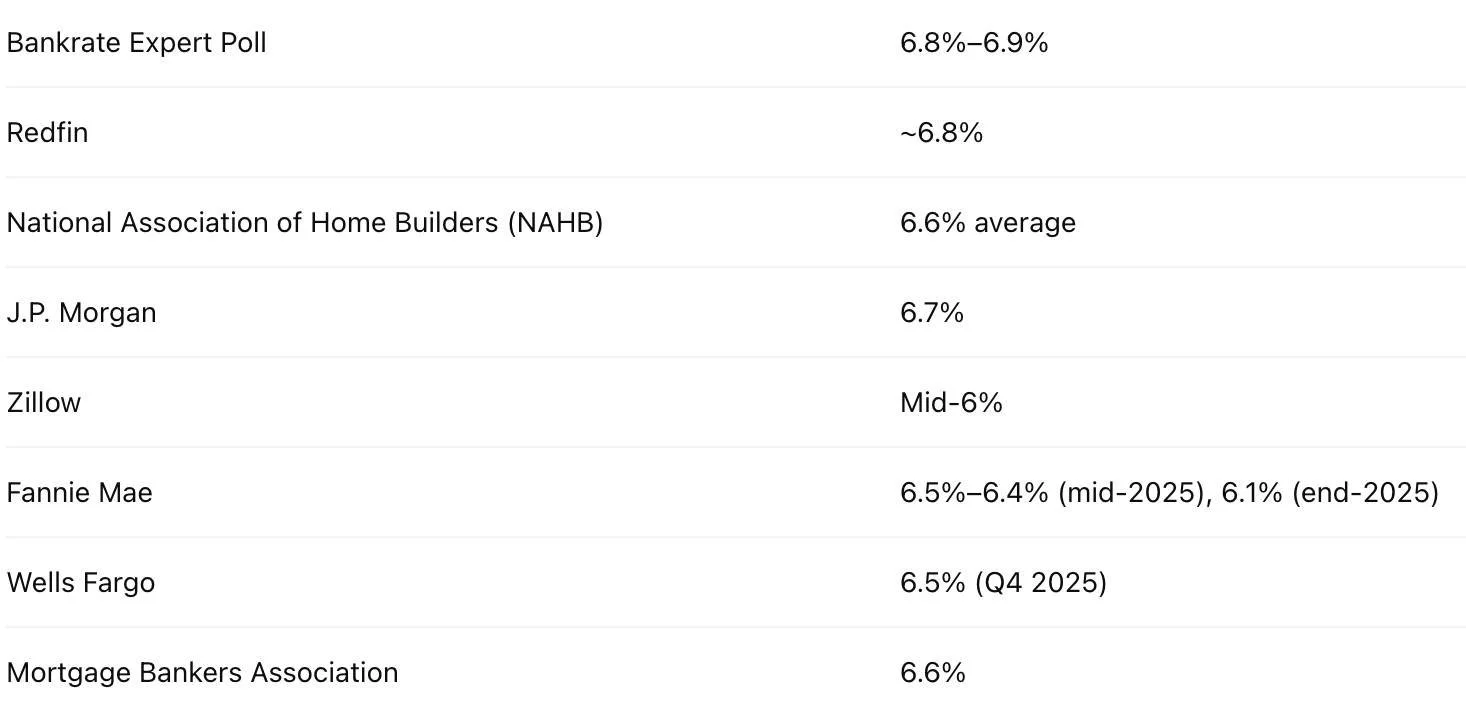
Those ultra-low 3% mortgage rates were an exception, not the norm. As of June 10, 2025, the average 30-year fixed rate is 6.85%, slightly down from 6.94% the previous week.
Rates are stabilizing in the mid-to-upper 6% range, with most forecasts showing modest declines later in the year, not sharp drops:
Is it a Seller’s or Buyer’s Market in Los Angeles?
Inventory is up sharply across the Westside, offering buyers more choices—but also signaling that sellers are adjusting to current conditions. The condo market is a bit sluggish, but well-priced homes on the Westside are still moving, even with inventory slowly picking up.
Santa Monica: 78 active listings, up 77.3% year-over-year, with a median list price of $4,996,500 and 48 days on market.
Los Angeles (citywide): 3,349 homes for sale, up 42.1%, with a median price of $1,879,500 and 42 DOM.
Beverly Hills: 247 homes listed, up 28.6%, median price $7,850,000, 59 days on market.
Topanga: 49 homes available, up 75%, with a median price of $1,895,000 and 36 DOM.
West Hollywood: 43 homes for sale, inventory up 53.6%, with a median price of $2,750,000 and 42 DOM.
Will home prices drop in Los Angeles in 2025?
Home prices in Los Angeles are not declining. Despite economic uncertainty, tariffs, rising mortgage rates, and a slight increase in inventory, the market remains steady. Homes are still selling, especially when priced correctly, and in some cases, even above asking price, due to strong buyer demand.
The recent fires have displaced many, leading to an increase in home purchases across the Westside. With ongoing demand and limited supply, there will always be a need for housing in Los Angeles.
Is now a Good time to buy in Los Angeles?
If you’re capable of buying, now is the time, and here’s why:
Even with higher mortgage rates, you can refinance later when rates drop. In the meantime, you’re building equity while avoiding future price increases.
Home prices are likely to continue rising because housing construction hasn’t kept up with population growth and job gains. In May alone, the U.S. added 139,000 jobs, and we’ve gained over 7 million jobs since the pre-COVID peak. More jobs mean more buyers, and more demand.
Once mortgage rates fall, we could see a surge of buyers re-enter the market, leading to even more competition and renewed housing shortages. Buying now puts you ahead of that curve.
Which neighborhoods are best for first-time buyers?
Inglewood, West Adams, Mid-City, Koreatown, the fashion district, and North Hollywood are rapidly transforming thanks to public investment, infrastructure upgrades, and proximity to Opportunity Zones and Metro lines.
These areas offer tax incentives, rising property values, and strong long-term growth potential.
For smart investing in Los Angeles, target neighborhoods near Opportunity Zones and public transit, the growth is already underway.
What credit score is needed to buy a home in L.A.?
FHA Loans:
Backed by the government, these loans are ideal for buyers with lower credit scores.
580+ credit score: Only 3.5% down required
500–579 score: Requires 10% down
Easier approval but typically higher mortgage insurance costs
Conventional Loans:
620+ credit score: Minimum requirement for most lenders
740+ score: Needed for the most competitive rates
Lower mortgage insurance with higher scores and larger down payments
How much down payment do I need?
The idea that you need 20% down to buy a home is largely a myth.
Many buyers today secure a home with far less. In fact, according to the National Association of Realtors (NAR), the median down payment for first-time buyers is just 9%.
Here are some common options:
FHA Loans: As little as 3.5% down
VA and USDA Loans: No down payment required (for eligible borrowers)
Conventional Loans: Some allow 3% down for first-time buyers
Jumbo Loans: Select lenders offer 5% down for qualified buyers, especially in high-cost areas like Los Angeles, Beverly Hills, and Santa Monica, for homes in the $1.5M to $2M range
How do I start the home-buying process in Los Angeles?
The first step in buying a home is to speak with a few lenders and get pre-approved. This helps you understand what you qualify for, your down payment options, estimated monthly payments (including insurance and fees), and total closing costs, giving you a clear picture of what you can afford and what you’re comfortable spending.
1. Improve Your Credit
A higher credit score gets you better interest rates and loan options.
2. Speak to Lenders
Compare lenders, down payment programs, and get pre-approved. Understand what you can afford monthly, including mortgage, insurance, taxes, and fees. Ask your lender about full loan underwriting to strengthen your offer.
3. Define Your Budget & Priorities
Know your must-haves vs. nice-to-haves. Make a list of features and ideal neighborhoods based on commute, schools, and lifestyle.
4. Find a Real Estate Agent
A good agent will guide you, identify suitable areas, and help strategize based on market conditions.
5. Explore Homes
Visit open houses and schedule private showings.
6. Make an Offer
Your agent will present comps, advise on pricing, and negotiate terms based on your comfort level.
7. Open Escrow & Inspect
Conduct general and specialized inspections. Review building records and permits. Don’t rely solely on seller disclosures
8. Renegotiate if Needed
If major issues arise, negotiate for repairs, credits, or price adjustments.
9. Finalize Your Loan
Get the appraisal, complete final loan approval, and sign all disclosures.
10. Close & Move In
Understand all local regulations (fire zones, flood areas, etc.), close escrow, get the keys, and move into your new home.
What reasons would a seller have for turning down my offer? Why might sellers reject my offer in Los Angeles?
The seller isn’t obligated to accept your offer, especially if it doesn’t meet their expectations. If your price is too low, you have too many contingencies, or your closing timeline is too long, your offer may be overlooked entirely.
Even more so, if your lender hasn’t provided solid preapproval or you don’t appear financially strong, the seller may not take the risk, especially in a competitive market.
That’s why it’s critical to have a real estate agent who understands the nuances of deal-making. A good agent will help you understand the seller’s motivations, whether they want a fast close, need a leaseback, or have a specific pain point, so you can tailor your offer accordingly. Shortening contingency periods or offering a quicker close can often make the difference.
In multiple-offer situations, sellers usually respond only to the strongest offers. Strategy and presentation matter.
Should I buy or rent in Los Angeles?
Buying Versus Renting in Los Angeles
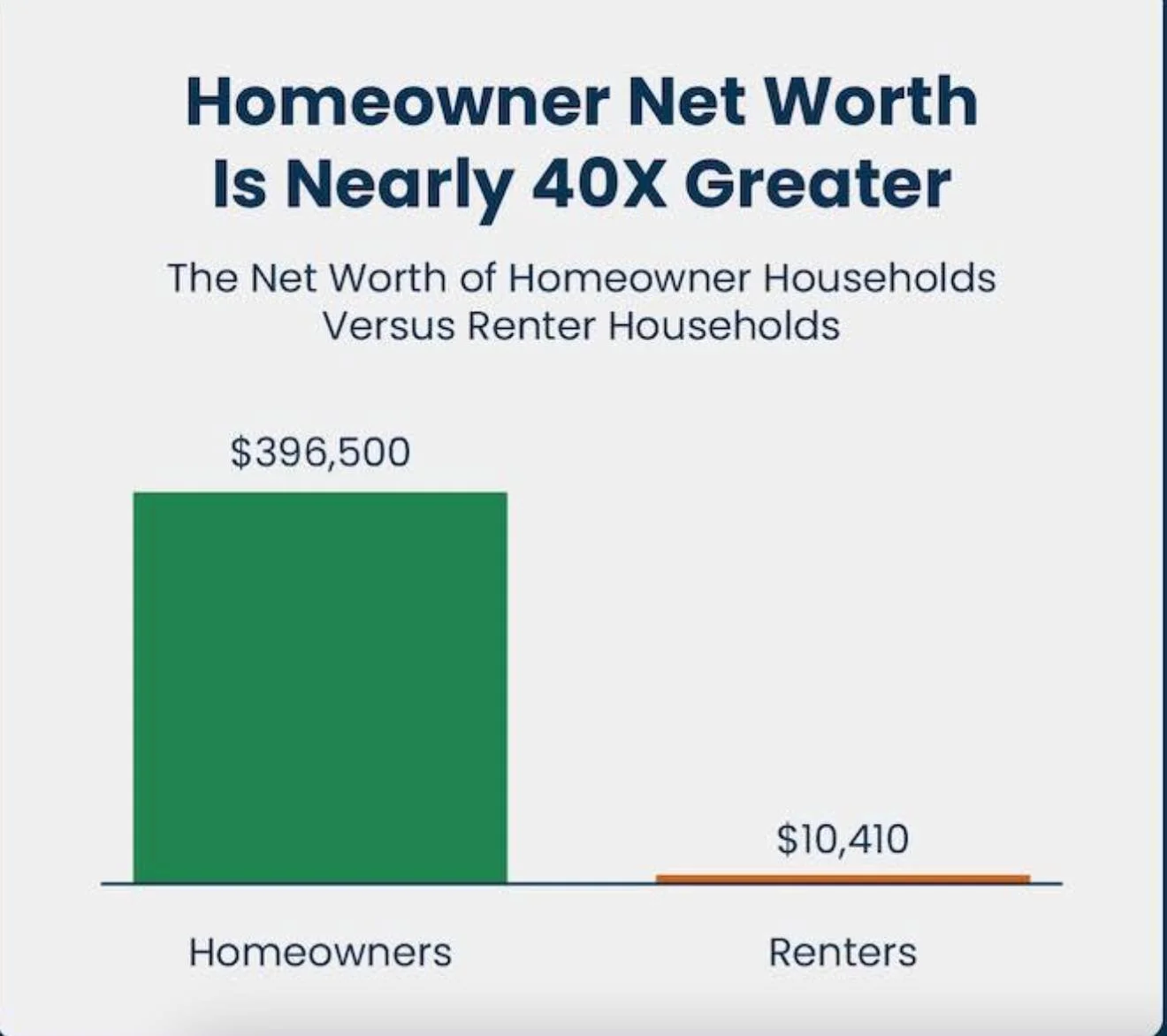
Homeownership is one of the most effective ways to build long-term wealth in the U.S., and the numbers back it up.
As you pay down your mortgage and your home's value increases over time, you build equity. That equity directly increases your net worth. According to the Federal Reserve, the average homeowner’s net worth is nearly 40 times greater than that of a renter.
Still, you should only buy when you're financially ready. While renting can feel safer or even cheaper in some markets, it often comes at the cost of long-term wealth. If you’re not ready yet, the best move you can make is to build a plan toward ownership—your future self will thank you.
How long will the home‑buying process take in Los Angeles?
It depends on how ready you are; you’ll need a pre-approval letter, down payment saved, and a strong credit score before you even start searching for a home.
The home search timeline varies, some buyers find a home quickly, others take weeks or months depending on their goals. It’s entirely up to your comfort level. Once you're in escrow, the timeline is more defined.
If you're paying cash, you can typically close in as little as 5 to 14 days—or even sooner if you're ready. The timing is flexible and can move at your pace, as long as you've reviewed all disclosures and completed your due diligence.
If you're financing, the timeline depends on where you are in the loan process. Fully approved buyers may close in 14 to 21 days, while the average mortgage closing takes about 30 days.
Is a home inspection necessary?
Yes, home inspections are essential. They uncover costly hidden issues, such as:
Foundation cracks
Sewer line blockages
Hidden mold
Termite damage
Outdated electrical systems
Roof problems
These aren't always visible but can impact safety and value. Inspections give you leverage to renegotiate or request credits during escrow.
How Much Are Closing Costs for Buyers in Los Angeles?
If you're paying cash, loan-related fees like origination, appraisal, and mortgage insurance won’t apply to you. In general, closing costs range from 2.5% to 5% of the purchase price, depending on the type of transaction and services involved.
Here’s a breakdown of typical buyer closing costs:
Down payment (not part of closing costs, but due at closing)
Title insurance premiums
Home inspection
Deed recording fee
Notary fees
Loan origination charges (for financed purchases)
Points or discount fees (to reduce your mortgage rate)
Appraisal fee (loan-related)
Credit report fee (loan-related)
Escrow for property taxes and homeowners insurance (if required by lender)
Private mortgage insurance (PMI) (if applicable)
Land survey (if required)
Prorated costs such as property taxes, HOA dues, or utilities
How much does it cost to sell a home in Los Angeles?
The cost of selling a home depends on many factors in Los Angeles.
• Under $5M: Expect around 6% of the purchase price, which includes agent commission (typically 5–6%) and escrow/title fees and closing costs (~1%).
• $5M–$10M in Los Angeles: Subject to Measure ULA, a 4% city transfer tax, plus commission and closing costs, totaling around 10% or more.
• Over $10M in Los Angeles: Measure ULA increases to 5.5%, so total selling costs can exceed 12%.
• Santa Monica: Homes over $8M face a 5.6% city transfer tax under their own mansion tax, Measure GS (residential & commercial). 10.6% to 11.6% of the sale price
• Optional costs: Pre-sale home inspections, staging, painting, landscaping, or repairs are at the seller’s discretion and come at an additional out-of-pocket expense.
What Are Seller Closing Costs in Los Angeles?
Sellers typically pay 6% to 10% of the home's sale price in closing costs, though all terms are negotiable. Standard seller-paid costs include:
Agent commissions (traditionally paid by the seller, but the seller can request the buyer cover their agent’s fee as part of the offer)
Escrow fees
Title insurance
City and county transfer taxes
State- or city-required retrofitting
Recording fees and property tax prorations
Mortgage payoff
Home warranty
How Long Does It Take to Sell a Home in Los Angeles?
On average, Homes in Los Angeles stay about 45 days on the market, with a total of 2 to 3 months from listing to closing. I’ve seen homes go under contract after one open house and close within weeks with cash offers. It all depends on the property, the buyer, seller motivation, and how competitive the market is.
Timeline depends on location, condition, and pricing. Homes in areas like Santa Monica often sell faster than in Malibu. A cash offer can close much faster since there’s no loan involved.
Is a cash offer better than a financed offer?
Cash offers are often more attractive because they close faster, come with fewer risks, and usually waive loan and appraisal contingencies. There's no waiting on lender approval, and no issue if the appraisal comes in low. Whether it's better depends on your goals; cash offers offer speed and certainty, which can be valuable if you're looking for a smooth, quick sale.
How do I handle multiple offers?
Look beyond just price. Consider contingencies, financing type, closing timelines, and your priorities. Do you need a quick close, leaseback, or flexibility? A lower cash offer may be stronger than a higher financed one and may carry fewer risks. If you choose a mortgage offer, ask for the appraisal contingency to be removed and verify the buyer’s strength to avoid delays or cancellations.
Should I wait for a better selling season or list now?
Spring and summer typically bring more buyers, but timing isn’t everything. If inventory is low, listing now could mean less competition and more serious buyers. The right time to sell is when your home is ready and market conditions work in your favor.
How to Prepare Your Home for Sale in Los Angeles to Maximize Value?
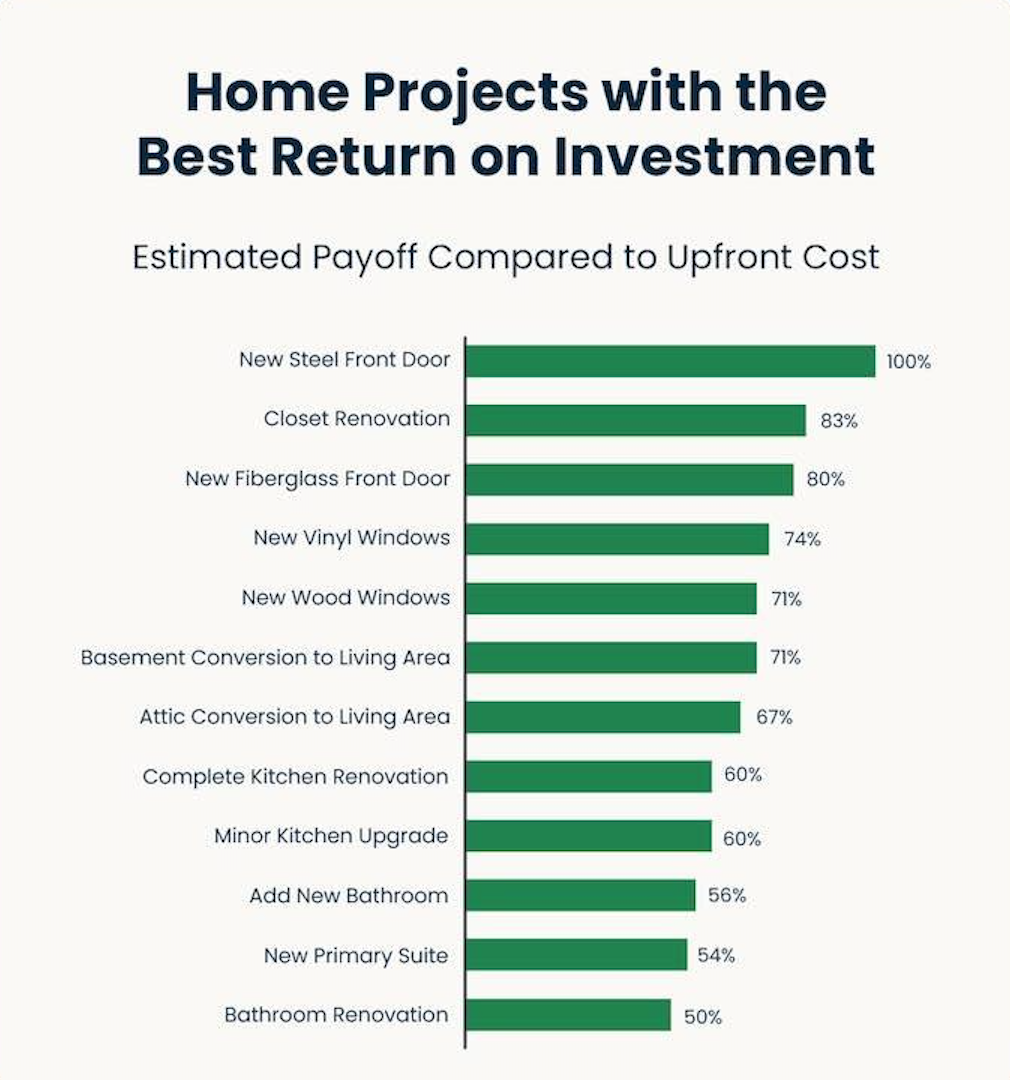
To sell faster and for more, focus on smart, high-ROI upgrades. Begin with a pre-inspection to avoid surprises. Then improve curb appeal with fresh paint, landscaping, and a clean exterior.
Inside, simple updates go a long way, deep cleaning, new light fixtures, painting, cabinet hardware, and professional staging make your home feel move-in ready.
According to data from the National Association of Realtors (NAR) and Ramsey Solutions, the top home improvements that boost resale value include:
New steel or fiberglass front door (up to 100% ROI)
Closet renovation (83% ROI)
New windows (71–74% ROI)
Kitchen updates and bath remodels (50–60% ROI)
Looking to buy, sell, or invest in Los Angeles real estate?
Whether you're a seasoned investor or a long-time homeowner, we’re here to help you navigate the market with clarity and confidence. If you need expert advice on the best neighborhoods for ROI or guidance on when and how to make your move, we’ve got you covered.
Reach out today for a personalized strategy and trusted support, every step of the way.